How RTCs Coordinate School Credits and IEP/504 Supports
Teenager
May 10, 2026
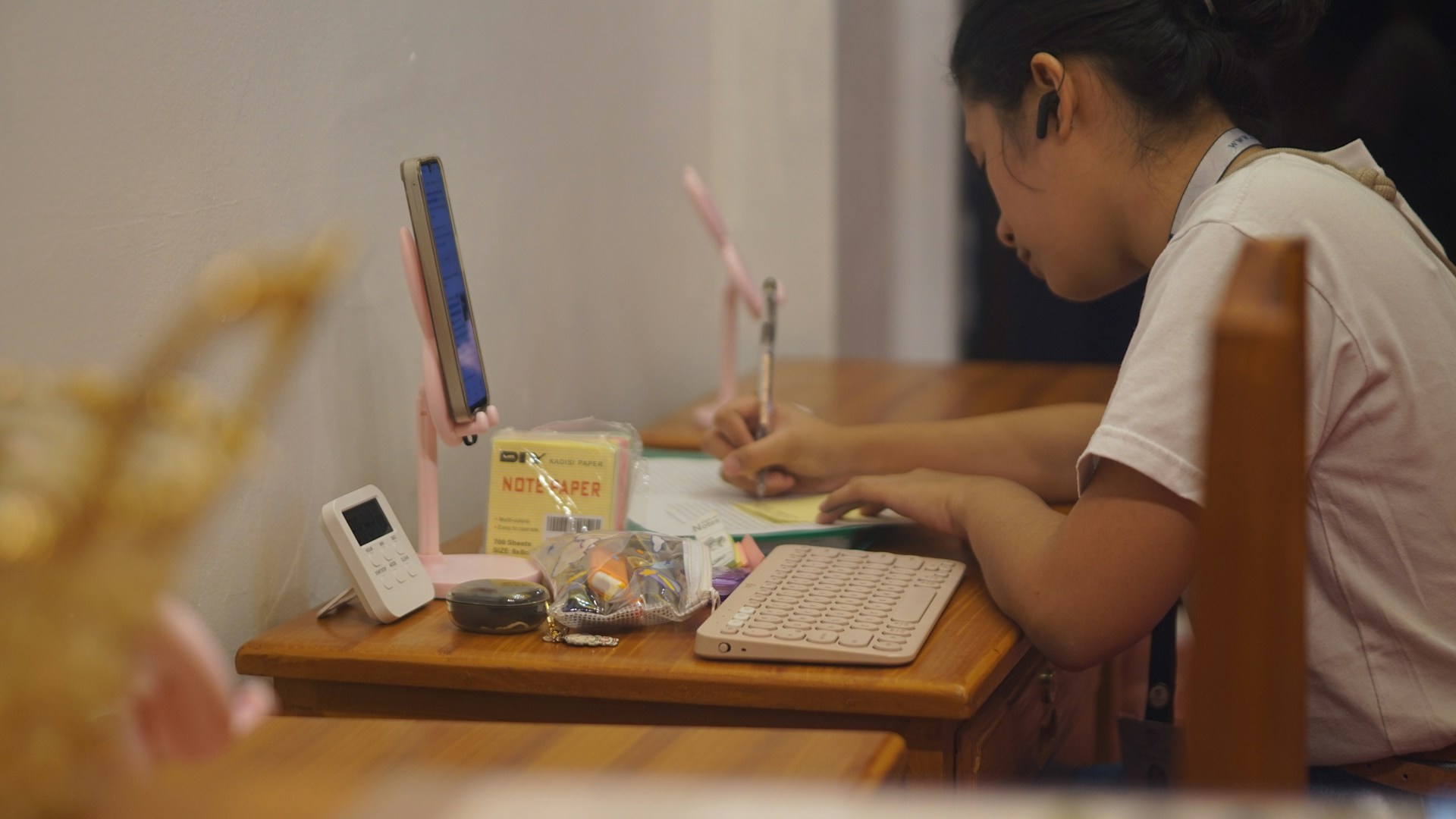
Protecting Healing Time While Keeping School on Track
When a teen needs residential treatment, many parents worry about school. They want their daughter to get real help for trauma, anxiety, or depression, but they are also scared that she will fall behind in credits or lose the IEP or 504 supports that finally started to help.
At high-quality residential treatment centers, it does not have to be one or the other. With careful planning, students can receive intensive therapy and still move forward in school. At Havenwood Academy, we build days that protect therapy time while also keeping grades, credits, and special education services on track.
The challenge is real. Our students need space for individual and group therapy, family work, skill building, rest, and self-care. At the same time, they need class time, homework support, and the accommodations that help them learn. When clinical, academic, and special education teams work together, teens can heal and learn at the same time, instead of feeling pulled in two directions.
How RTC Teams Map Out School Credits From Day One
From the very start, our goal is to understand where a student is in school and where she needs to go next. We do not wait weeks to sort it out. Academic planning is part of admission.
We begin with an intake academic review. This usually includes:
Collecting transcripts, current grades, and any IEP or 504 plans
Talking with the home school about graduation or promotion requirements
Looking at academic gaps, strengths, and how trauma may affect focus or memory
This review helps us see the full picture. Some students arrive mid-year, with missing work or incomplete classes. Others are already behind in credits and feel defeated. We use this information to shape a clear plan instead of guessing.
Next, we align our course plan with the home school expectations. That means:
Matching our classes with their course titles whenever possible
Prioritizing core credits like English, math, science, and social studies
Allowing for flexible options such as more individualized or self-paced work
Our teachers work closely with school districts so credits transfer smoothly. The goal is that when a student returns home, the school can understand exactly what she completed and how it fits into their system.
We also track credits and progress along the way, not just at the end. This looks like:
Regular progress reports so families know where their daughter stands
Communication with districts when state tests or end-of-course exams are required
Therapeutic academic support in the classroom and study hall to rebuild stamina, organization, and follow-through
This kind of support helps students remember how it feels to succeed in school, often after long periods of stress or school avoidance.
Integrating IEP and 504 Supports Into a Therapeutic School Day
Many families worry that an existing IEP or 504 plan will get lost once their child enters residential care. At a treatment center that values education, that plan becomes part of the foundation for support.
First, we translate public school plans into our setting. We do this by:
Reviewing each goal, accommodation, and service listed in the IEP or 504
Talking with district case managers about what must continue while the student is with us
Clarifying how services such as speech or occupational therapy fit with mental health treatment
Some supports can transfer directly. Others need to be adapted to a smaller campus that feels more like a home than a large school building. The purpose stays the same: to give the student access to learning in a way that matches her needs.
In the classroom, we use trauma-informed accommodations, such as:
Smaller class sizes and predictable routines
Adjusted workload, extra time, or alternate ways to show learning
Sensory-friendly options and regulation tools like movement breaks or calm corners
These supports are not extra perks. For many of our students, they are what makes school possible while they work through hard emotions and memories.
Cross-team communication is what ties it all together. Our teachers, therapists, and residential staff share information often about:
How IEP or 504 supports are working day-to-day
Any changes in diagnosis, medication, or emotional needs
New coping skills that could also help in class, such as grounding or breathing exercises
This level of coordination helps teens practice the same coping tools in both therapy sessions and academic situations, which is a big part of strong therapeutic academic support.
Building Daily Schedules That Protect Therapy and Learning
A healthy daily rhythm is one of the most powerful tools we have. Teens who have lived in chaos or crisis often relax a little when their day is predictable and kind to their nervous system.
We design a trauma-sensitive schedule that:
Keeps a consistent flow for mornings, school hours, afternoons, and evenings
Places more challenging academic tasks when students tend to be most alert
Builds in clear transitions, meals, and movement as part of emotional regulation
Therapy comes first, but school is not an afterthought. We protect therapy time by:
Blocking out regular times for individual, group, and family therapy
Planning class periods around key clinical groups, instead of making students pick one or the other
Making certain days lighter academically if they include deep trauma work
This helps students stay engaged in both parts of their program. They are not constantly pulled out of class at random times, and they are not forced to skip needed therapy for a test or project.
Balance is also about rest, social time, and homework. We work to:
Limit late-night homework so students can sleep and reset
Provide supervised study halls led by staff who understand each student’s triggers and supports
Include healthy recreation and peer connection so school feels manageable, not overwhelming
When academics are supported in this way, school becomes part of healing, instead of another source of stress.
Re-Entry Planning That Eases the Transition Back to School
Leaving residential treatment and returning to a home school can feel exciting and scary at the same time. Good planning makes this shift smoother for both the teen and the adults in her life.
We start re-entry planning well before discharge by:
Reviewing credit status and academic progress with the student and family
Talking through how her mental health and coping skills have changed
Looking at the school calendar to find a natural time to transition, such as the end of a grading period
We also coordinate with the home school team. This can include:
Sharing updated evaluations, treatment summaries, and support recommendations
Offering input as districts revise IEP or 504 plans to fit the student’s current needs
Clarifying how credits earned with us will apply to graduation or promotion, and how testing accommodations should look going forward
The emotional part of going back is just as important. We help students:
Practice how to answer questions from peers and staff in simple, safe ways
Plan regular check-ins with a counselor or trusted adult at school
Understand that ongoing support after residential treatment, including therapeutic academic support, is a sign of strength, not weakness
At Havenwood Academy in Utah, our goal is that no student has to choose between getting the trauma-informed care she deserves and staying on track in school. Thoughtful scheduling, integrated IEP and 504 supports, and careful re-entry planning can protect both healing and education at the same time.
Help Your Teen Rebuild Confidence and Stay On Track Academically
If your daughter is struggling to keep up in school while managing emotional or behavioral challenges, we are here to help her move forward with purpose. Our integrated approach to therapeutic academic support is designed to meet her where she is and guide her toward graduation and long-term success. Reach out so we can talk through your family’s needs and explore whether Havenwood Academy is the right fit. To start the conversation, please contact us today.
